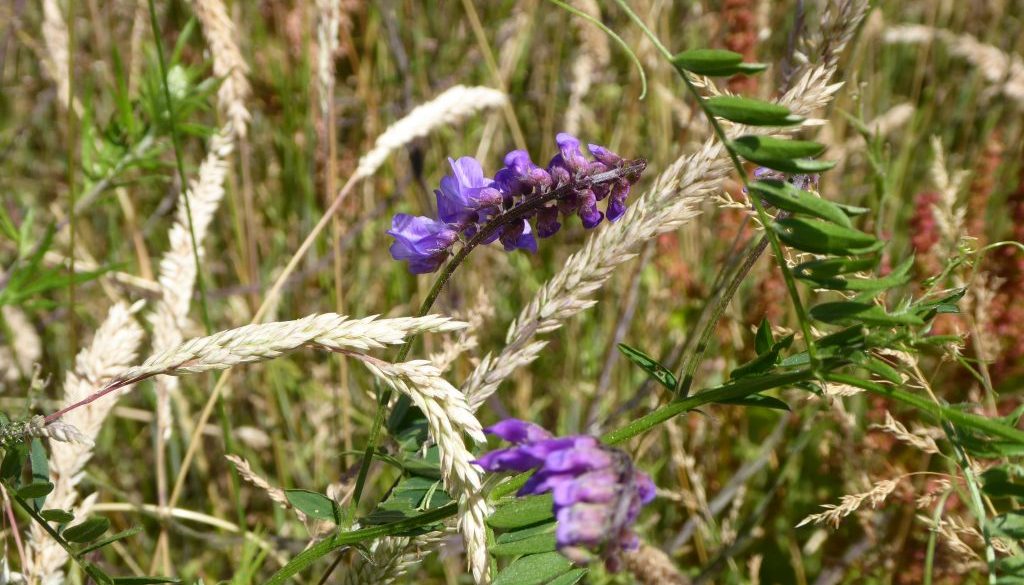
Bring back the Wildflowers
Work on improving the reserve steps up a gear starting on Tuesday 1st August. This will be in the areas we have named Butterfly Briary (a clearing near to the Alder Road end of the site) and along Wildflower Way (the long path adjacent to the playing field).
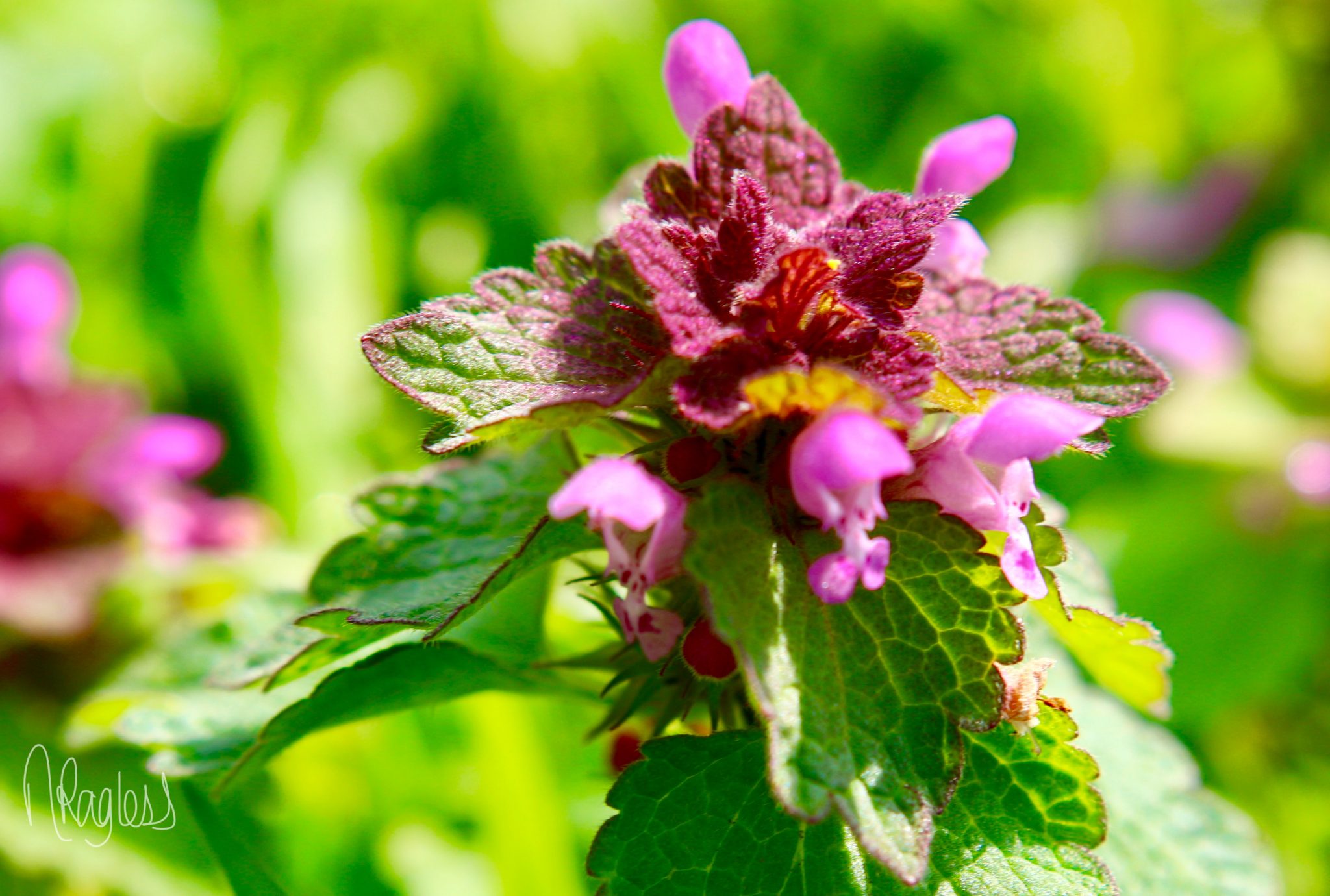
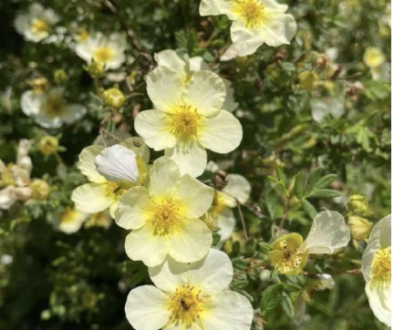
We want to encourage a wider variety of wildlife on our nature reserve and will be sowing native species of wildflowers in designated areas to achieve this. To allow the wildflowers to grow successfully, we first need to prepare the ground, clearing the more vigorous and invasive plants. A specialist contractor will do the work which will include the use of Glyphosate. This type of weedkiller is used in many public places because it dries on contact with the leaves and is not harmful to other wildlife, people or pets. The treatment will be done in two stages, the first at the beginning of August, followed by spot treatment where needed in September. We’ll be putting out signs and posting on Facebook to let you know exactly when this will be happening.
Further information about Glyphosate (based on extracts from www.hse.gov.uk)
Glyphosate is the active substance in many herbicides (weed killers) and is widely used around the world. It is a non-selective, systemic herbicide /weedkiller and was first used in the UK in 1976. Glyphosate is effective in controlling most weed species including perennials and grasses in many situations including amenity, forestry, aquatic and industrial situations. It is used by lots of people from farmers to foresters to gardeners to biologists trying to control invasive exotic plants. Since it is approved for use in many countries, it has been subject to extensive testing and regulatory assessment in the EU, USA and elsewhere, and by the World Health Organisation.
It is important that the Trust not only complies with the authorised conditions of use but also uses the product in a responsible and sustainable fashion so that the public are not exposed to levels of pesticides that would harm health or have unacceptable effects on the environment.
The responsible use of pesticides within the reserve areas is as part of an integrated programme of control which will deliver substantial benefits for users, including the management of conservation areas and control of invasive species. This helps to create safe spaces by preventing weed growth on the paths which would create trip hazards.